Category: Uncategorized

  • Do You Need a Box Spring? Platform Beds, Foundations & Slat Spacing Explained (2026)

    Short answer: most modern mattresses — memory foam, hybrid, and latex — do not need a traditional box spring. They need a flat, supportive base, and a platform bed with closely spaced slats (or a solid surface) already is one. You only need a separate foundation in a few specific situations, which we’ll walk through below.

    As an Amazon Associate, Whole House Warehouse earns from qualifying purchases.

    Do you actually need a box spring?

    It comes down to your mattress and your frame. A true box spring has coils inside and is designed to flex with an old-school innerspring mattress. Today’s foam, hybrid, and latex mattresses don’t want that flex — they want a firm, flat base that supports them evenly. So for the vast majority of beds sold now, the answer is: no box spring needed, as long as whatever you set the mattress on is flat and well-supported.

    Box spring vs. foundation — what actually changed

    Here’s the terminology confusion in a nutshell: what most people still call a “box spring” is now really a foundation. A foundation is a solid or slatted flat base with no coils — it just gives the mattress a firm surface and adds height. True coil box springs are mostly reserved for innerspring mattresses these days. Everyone still says “box spring” at the store, but if you’re buying for a foam or hybrid bed, what you actually want is a foundation like the Zinus metal smart box spring / foundation — flat, firm, no springs.

    Platform beds: it’s all about slat spacing

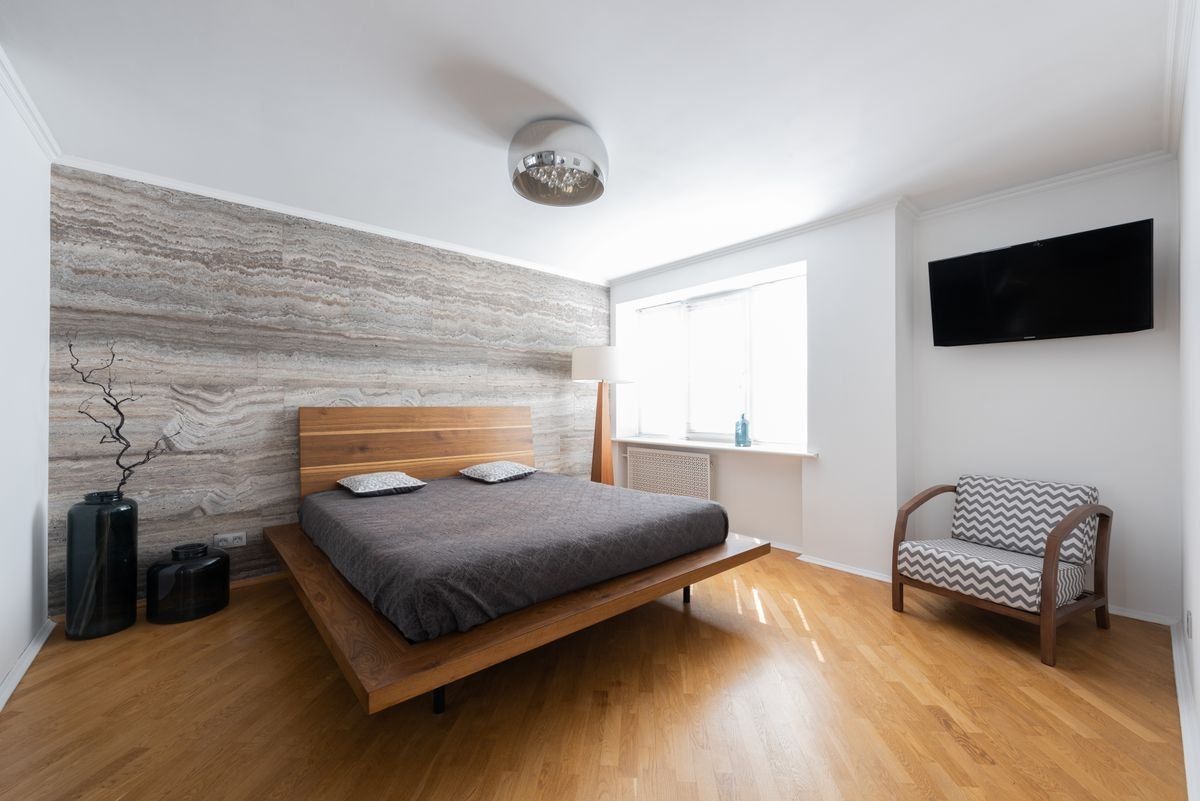
    This is the part people get wrong. A platform bed has its support built in — but not all platform beds are equal. The key is how far apart the slats are:

    • Closely spaced slats (about 3 inches apart or less), or a solid surface — perfect. No box spring or foundation needed.
    • Only a few wide-spaced slats — a problem for foam and hybrid mattresses. The foam sags into the gaps, feels lumpy, wears out faster, and it can void your mattress warranty (many brands require slats no more than ~2.75–3 inches apart).

    If your bed has wide-spaced slats, you don’t need to replace it — just lay a bunkie board or a sheet of plywood across the slats to create a flat, close-support surface. A Zinus wood-slat bunkie board does exactly this and ships flat in a small box.

    Your setup — and what you need

    Your bed / frameWhat you need
    Platform bed, closely spaced slats or solidNothing extra — you’re set
    Platform bed, few wide slatsA bunkie board or plywood on top of the slats
    Metal frame with only side railsA foundation or a platform base (nothing to support the mattress otherwise)
    Older innerspring mattressA traditional box spring is fine and often matches the warranty
    Adjustable baseA foam or hybrid mattress — no box spring

    When you DO want a foundation

    There are a few genuine reasons to add one: your frame is just a metal rail with nothing to support the mattress; you want the bed taller so it’s easier to get in and out of; or you have an innerspring mattress whose warranty calls for a box spring. For height, you can pick your profile — a standard 7-inch metal foundation for a traditional bed height, or a 4-inch low-profile foundation if your mattress is already thick and you don’t want the bed towering.

    You can buy foundations and bunkie boards on Amazon now

    The old bulky, two-person box spring is gone. Modern foundations and bunkie boards ship compressed and flat, assemble in minutes with quick-lock brackets, and come in low-profile heights. They work with foam, hybrid, latex, and spring mattresses. For a full base, a metal smart foundation is the easy pick; for a wide-slat platform bed, a slim bunkie board is all you need. Shopping the bed itself? See our guides to the best bed frames on Amazon by size and best bed frames under $200, or our platform bed vs. traditional bed frame comparison.

    Can you just put the mattress on the floor?

    Short term, sure. Long term it’s a bad idea: without airflow underneath, moisture gets trapped and can lead to mold and mildew, you’re closer to dust and cold, and floor use voids many warranties. A platform bed or a simple foundation solves all of that for not much money.

    Frequently asked questions

    Does a platform bed need a box spring? No — a platform bed is a support base on its own. Just make sure the slats are close enough (about 3 inches apart or less), or add a bunkie board.

    Will wide slats void my mattress warranty? They can. Most foam and hybrid warranties require slats no more than ~2.75–3 inches apart. Check your warranty, and add a bunkie board or plywood if your slats are wider.

    Bunkie board or plywood — which is better? A bunkie board is purpose-built, ships flat, and looks tidy; plywood works in a pinch but should be sanded and ideally covered so it doesn’t snag the mattress. Either creates the flat surface foam needs.

    How far apart should mattress slats be? For foam and hybrid mattresses, aim for about 3 inches or less between slats — closer is better for support and durability.

  • Dorm Room Essentials 2026: How to Set Up a Dorm on a Budget

    Dorm Room Essentials 2026: How to Set Up a Dorm on a Budget

    Moving into a dorm is exciting — and surprisingly easy to overspend on. The trick is knowing what you actually need, what your school probably won’t allow, and how to split purchases with your roommate so you’re not paying twice for the same mini fridge. This checklist walks through every category so you can set up a comfortable, functional room without blowing your budget.

    The dorm essentials checklist

    Sleep and bedding

    Most dorm beds are Twin XL — longer than a standard twin — so buy sheets labeled specifically for that size or they won’t fit. A mattress topper is the single best comfort upgrade for a thin, industrial dorm mattress. Round it out with a comforter, a couple of pillows, and an extra blanket for those cold early-morning rooms.

    • Twin XL sheet set (buy two so you always have a clean set)
    • Mattress topper — memory foam or featherbed
    • Comforter or duvet — see our best comforters for every season guide
    • Two pillows plus pillow protectors
    • Mattress protector (dorm mattresses are shared over years)

    Storage and organization

    Dorm rooms are small, so vertical and under-bed space is everything. Bed risers create room for bins underneath, and over-the-door hooks and hanging organizers use space you’d otherwise waste. Damage-free command strips let you hang things without losing your deposit.

    • Under-bed storage bins
    • Bed risers
    • Over-the-door hooks and a hanging closet organizer
    • Collapsible storage cubes
    • Command strips and hooks (no nails or screws)

    Study and tech

    You’ll spend a lot of hours at that desk, so make it work. A clip-on or desk lamp saves your eyes, and a surge protector with USB ports is the item students forget most. For a fuller setup, our home office under $500 guide has desk, chair, and lighting picks that scale down nicely to a dorm.

    • Desk lamp (clip-on saves surface space)
    • Surge protector with USB ports and a long cord
    • Desk organizer for pens, chargers, and sticky notes
    • Noise-cancelling headphones for shared rooms
    • A small whiteboard or wall calendar

    Small appliances

    This is where roommate coordination saves the most money — you only need one fridge and one microwave between you. A compact fridge keeps drinks and leftovers close; see our best mini fridges for bedrooms and dorms for models that fit tight spaces. Always check your school’s appliance rules first, since wattage limits and banned items vary.

    • Mini fridge (one per room — split it with your roommate)
    • Microwave, if permitted by your dorm
    • Electric kettle for tea, oatmeal, and instant meals
    • A small, quiet fan — dorms are notoriously warm early in the semester

    Kitchen, laundry, and personal care

    The little stuff adds up fast, and it’s easy to forget until you need it at 11pm. Stock a few reusable basics and the cleaning items that keep a shared space livable. Our home and kitchen deals under $50 roundup covers a lot of this cheaply.

    • Reusable water bottle, a mug, and a basic utensil set
    • Laundry hamper, detergent pods, and a roll of quarters or your campus laundry card
    • Disinfecting wipes, paper towels, and a small trash can
    • Shower caddy, quick-dry towels, and shower shoes for shared bathrooms
    • A small first-aid kit and any regular medications

    Budget-smart shopping tips

    Before you buy anything, text your roommate and divide the shared items — two mini fridges in one room is wasted money and wasted space. Buy the big, boring stuff (bins, hamper, surge protector) on sale ahead of time, and wait on decor until you’ve seen the actual room. You don’t need to furnish everything at once; our home furniture under $100 picks are a good place to add pieces gradually as you figure out what the space needs.

    What to leave at home (and check first)

    Most schools ban candles, incense, halogen lamps, hot plates, and space heaters for fire-safety reasons, and many prohibit full-size refrigerators. Before you pack, pull up your housing office’s list of prohibited items — it’s the single easiest way to avoid buying something that gets confiscated on move-in day. When in doubt, leave it and ask your RA.

    Frequently asked questions

    What size is a dorm bed? The large majority of dorms use Twin XL mattresses, which are the same width as a twin but several inches longer. Buy Twin XL sheets and toppers specifically, or they won’t fit properly.

    How much does it cost to furnish a dorm? It varies widely, but coordinating shared items with your roommate and buying essentials on sale keeps most students in a very reasonable range. Prioritize sleep, storage, and study gear first; add decor later.

    What do students forget most often? A long surge protector, shower shoes, extra storage bins, and a mattress topper are the four most commonly overlooked items — and the ones people end up buying at full price in the first week.

    Are mini fridges and microwaves allowed? Usually yes, within size and wattage limits, but it depends on your school. Check the housing policy before buying, and split one of each with your roommate to save money and space.